How Acharya Divya Tripled Webinar Registrations While Cutting Ad Spend by More Than 80%
An Acharya Divya case study by Adymize | Spiritual Guidance & Astrology | Meta Ads (Facebook & Instagram) | Lead generation
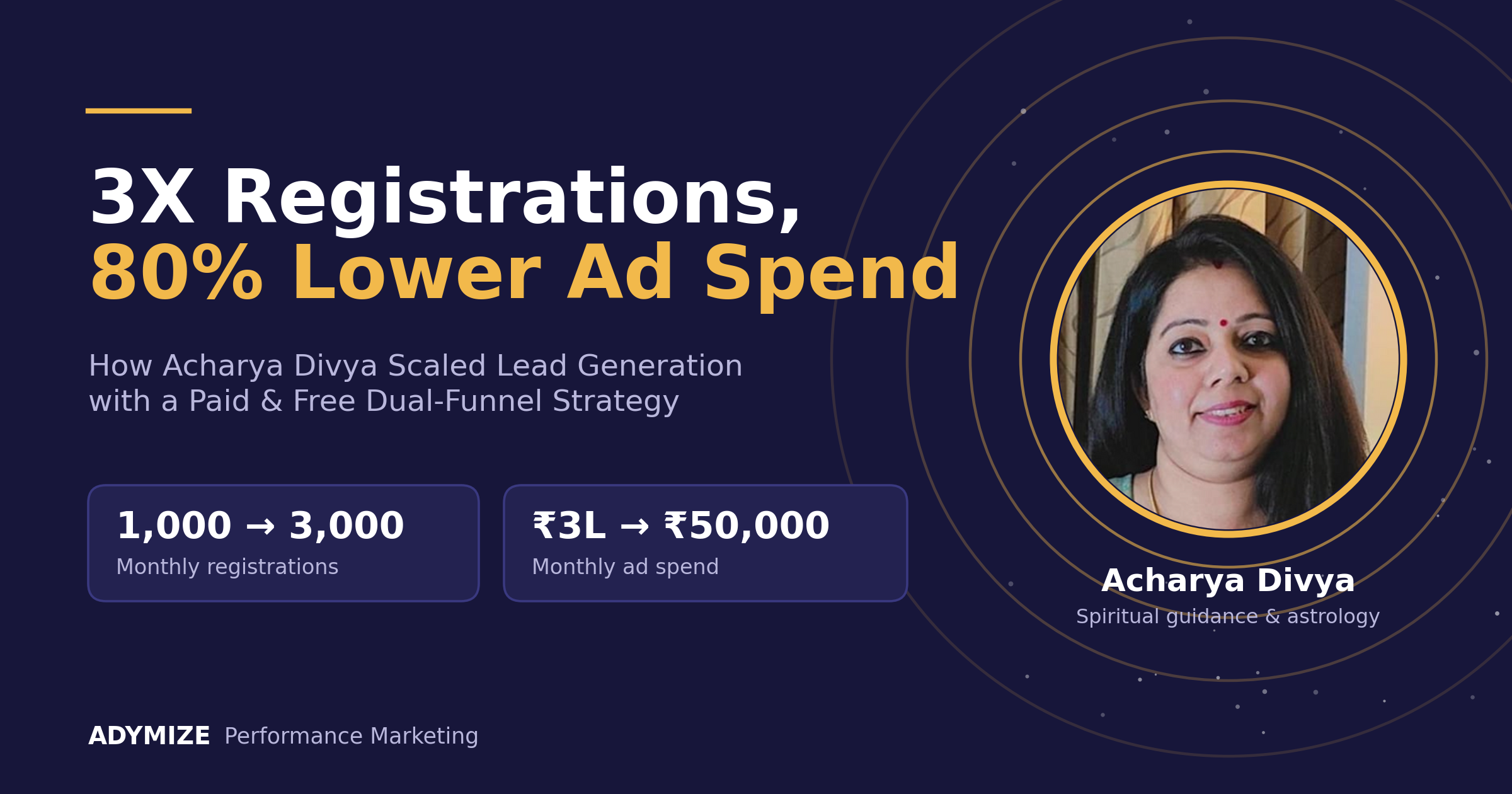
Most people assume that charging a small fee for a webinar sign-up brings in more serious people. For Acharya Divya, it did the opposite. When the registration fee went up, the sign-ups fell off a cliff while the cost of each one shot up. The fix wasn’t a smarter price. It was a different funnel. This webinar lead generation case study shows how going free, adding a second funnel and cutting the budget took monthly registrations from a low of 1,000 to around 3,000, on roughly a sixth of the spend.
Table of Contents
- Where Acharya Divya Stood Before We Started
- The Experiment That Backfired
- The Pivot: Fix the Funnel, Not the Price
- How the Three Phases Played Out
- The Results, Before and After
- The Proof Behind the Numbers
- What Didn’t Work, and What We Learned
- Lessons for Webinar and Registration Funnels
- Final Thoughts
Where Acharya Divya Stood Before We Started
Acharya Divya runs webinars in spiritual guidance and astrology, and the Akashic webinar was the main draw. To join, people paid a small registration fee of ₹9. The idea behind it was reasonable: a small charge should filter out the casual clicks and bring in people who were more committed to turning up.
Here is where the funnel stood with that ₹9 fee:
| Where the funnel stood | Number |
|---|---|
| Monthly ad spend | ₹3 lakh+ |
| Registrations a month | 2,500 |
| Average cost per registration | ₹200 |
It was working, but not cheaply. The question on the table was a natural one. If a small fee filters for quality, would a slightly bigger fee filter even better, without hurting cost efficiency?
The Experiment That Backfired
To find out, the registration fee was raised from ₹9 to ₹21. The budget stayed exactly the same, at more than ₹3 lakh a month, so the test was a clean one.
The result was clear, and it wasn’t what anyone hoped for.
| What changed | ₹9 fee | ₹21 fee |
|---|---|---|
| Monthly ad spend | ₹3 lakh+ | ₹3 lakh+ (same) |
| Registrations a month | 2,500 | 1,000 |
| Average cost per registration | ₹200 | ₹500 |
On the same budget, registrations dropped from 2,500 to 1,000 a month, and the cost of each one climbed from ₹200 to ₹500. The higher fee did filter people out. It just filtered out far too many, and it improved quality far less than it hurt volume.
The lesson was uncomfortable but valuable: this audience was highly sensitive to even a small fee at the sign-up stage.
The Pivot: Fix the Funnel, Not the Price
At this point the instinct might have been to try a different price. We went the other way and questioned the paywall itself. The problem wasn’t that the fee was too high or too low. It was that the whole funnel leaned on one paid offer to do everything.
We made three changes.

Change 1: Remove the paywall
We returned the Akashic webinar to free registration. The ₹21 fee had been suppressing volume far more than it was improving efficiency, so it had to go.
Change 2: Diversify the funnels
We launched a second free offer, an astrology webinar workshop. That spread reach across two offers, so the brand no longer depended on one paid funnel to carry everything.
Change 3: Right-size the budget
We cut monthly spend from more than ₹3 lakh to roughly ₹50,000. A free, two-funnel model doesn’t need the same budget to reach the same people, so the spend was matched to the leaner setup.
The logic of the whole shift was simple: free registration, two funnels instead of one, and lower spend, together tripled registrations from their lowest point.
How the Three Phases Played Out
The journey had three phases, and registrations didn’t recover gradually. They fell further through the second price increase, and then the funnel rebuild tripled them from that low point.
Phase 1: The ₹9 fee
The starting point. The funnel ran on a small paid registration, spending more than ₹3 lakh a month for about 2,500 registrations.
Phase 2: The ₹21 fee
The experiment. Same budget, higher fee, and registrations fell to 1,000 a month while the cost per registration rose to ₹500.
Phase 3: Free, with two funnels
The rebuild. Free registration, two active funnels, and a budget of roughly ₹50,000 a month. Registrations rose to around 3,000 a month.
The Results, Before and After
Here are all three phases side by side, measured the same way.
| Metric | ₹9 fee | ₹21 fee | Now (free, two funnels) |
|---|---|---|---|
| Registration fee | ₹9 | ₹21 | Free |
| Active funnels | 1 | 1 | 2 |
| Monthly ad spend | ₹3 lakh+ | ₹3 lakh+ | ₹50,000 |
| Registrations a month | 2,500 | 1,000 | 3,000 |
| Average cost per registration | ₹200 | ₹500 | ₹12 |
Looked at from the low point, registrations tripled, from 1,000 to 3,000 a month. Compared with the original ₹9 setup, they are about 20% higher, and monthly spend is down by more than 80%. The cost of each registration fell from ₹200 to ₹12.
One note on that ₹12. Ads Manager reports a higher cost per result, around ₹28, because it counts only the leads it can track. Our own backend records more registrations than Ads Manager does, which brings the real cost per registration down to about ₹12.
The Proof Behind the Numbers
Here are screenshots from Meta Ads Manager, one from the paid-registration period and one from the current free funnel.
The paid-registration period
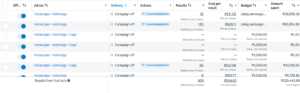
The earlier paid-registration campaign shows 635 purchases at about ₹505 each on a total spend of about ₹3.2 lakh. These campaigns are now switched off.
The current free funnel
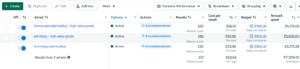
The current free funnel shows 617 leads across three ad sets at about ₹28 each in Ads Manager. Our own backend records more registrations, which brings the real cost per registration to about ₹12.
What Didn’t Work, and What We Learned
Raising the registration fee from ₹9 to ₹21 didn’t improve efficiency. It’s the reason we found the fix, so it’s worth walking through plainly.
What happened. The fee increase dropped registrations from 2,500 to 1,000 a month and pushed the cost per registration from ₹200 to ₹500, all on the same budget of more than ₹3 lakh.
What we learned. This audience reacts strongly to price at the sign-up stage. A higher fee cut volume far more aggressively than it improved quality or efficiency.
What changed. The Akashic webinar went back to free registration, the budget came down to roughly ₹50,000 a month, and a second free workshop funnel was added. Registrations then tripled from their lowest point to around 3,000 a month.
Lessons for Webinar and Registration Funnels
A few lessons from Acharya Divya apply well beyond astrology.
- A paywall isn’t always a quality filter. Even a small fee can cut volume much more than it improves who shows up.
- Test price changes on a small scale first. A fee increase can cost you months of results if it goes wrong at full budget.
- Don’t depend on one offer. A second funnel spreads reach and protects you if one offer slows down.
- Spend should match the model. A free, wider funnel can reach people on a much smaller budget.
- Look past Ads Manager. Your own backend may count more leads than the platform can track, so the real cost can be lower.
- Be ready to reverse a bad test. Admitting the experiment failed is what unlocked the improvement.
Final Thoughts
Acharya Divya’s funnel didn’t need a smarter price. It needed fewer barriers and more ways in. By returning to free registration, adding a second webinar funnel and right-sizing the budget, monthly registrations rose from a low of 1,000 to around 3,000, while monthly spend dropped from more than ₹3 lakh to roughly ₹50,000.
The experiment that backfired turned out to be the most useful part of the story. It showed us exactly what this audience wanted, and the funnel was rebuilt around it.
If you run webinars or workshops and your registration costs keep climbing, we’d be glad to take a look.